Stain removal and cleaning, explained
Every stain belongs to a type, and the type decides the method: cold water and enzymes for blood, acid or oxygen bleach for coffee, a degreaser for oil, a solvent for ink. Find your stain below for the steps, what to avoid, and why it works.
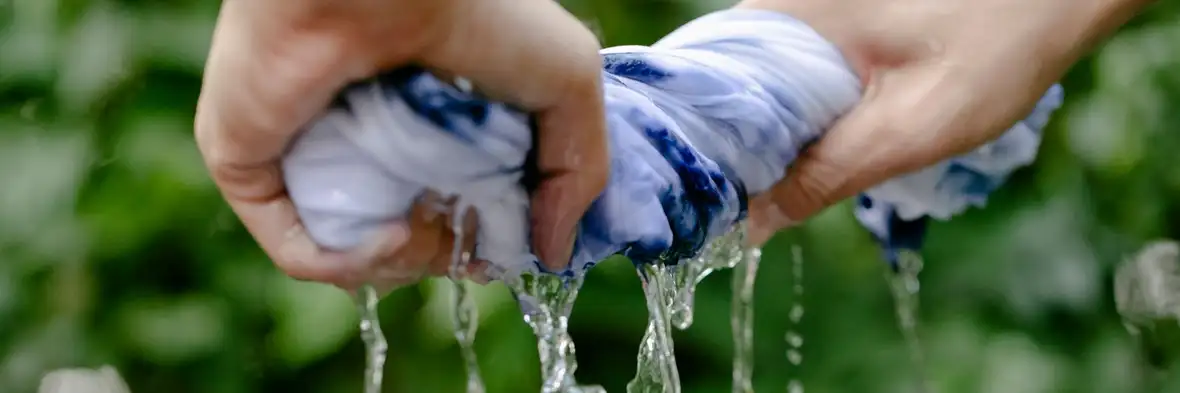
What do you need to clean?
Most searched stains
-
 Blood stains
-
 Paint stains
-
 Grease and oil stains
-
 Ink stains
-
 Slime stains
-
 Gum stains
-
 Nail polish stains
-
 Mildew and mold stains
Most searched fixes
- How to get blood out of clothes
- How to get a paint stain out of clothes
- How to get oil and grease stains out of clothes
- How to remove ink from clothes
- How to get slime out of clothes
- How to remove blood from sheets
- How to remove gum from clothes
- How to get pee out of a mattress (stain and smell)
- How to get blood out of carpet
- How to get nail polish out of clothes
- How to get mold and mildew stains out of clothes
- How to remove permanent marker stains from fabric, carpet and wood
- How to remove smoke smell from a car (cigarette smell too)
- How to clean hardwood floors without damaging the finish
- How to get the smell out of towels
The stain type decides the method
Treat a stain by what it is made of, not by where it landed. These groups explain why hot water ruins a blood stain and why soap can set a tea stain. All stains by type.
Protein stains
Cold water, then enzymes. Heat cooks proteins into the fibers.
Tannin stains
Plant pigments from drinks and fruit. Acids or oxygen bleach lift them; plain soap can set them.
Oil and grease stains
Absorb the excess first, then break up the oil with a degreaser or solvent.
Dye stains
Colorants that bond to fibers. Solvents and oxidizers do the work; water spreads them.
Dry erase marker, Hair dye, Marker, Mustard, Permanent marker
Combination stains
Oil plus pigment or protein. Treat the oil first, then the color.
Wax, gum and resin
Harden it, lift it off, then dissolve the residue.

Smells
Odors come back when only the smell is covered. Remove the source, neutralize what is left and dry the area.
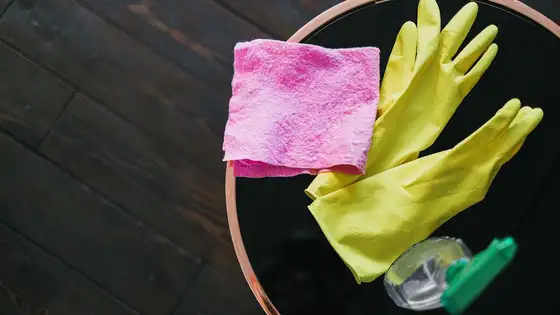
Cleaning guides
Room-by-room guides for floors, appliances, bathrooms and furniture, matched to the material.
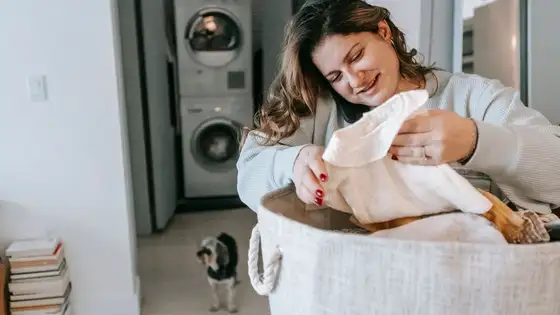
Laundry
Care symbols, water temperatures and the laundry problems that keep coming back.
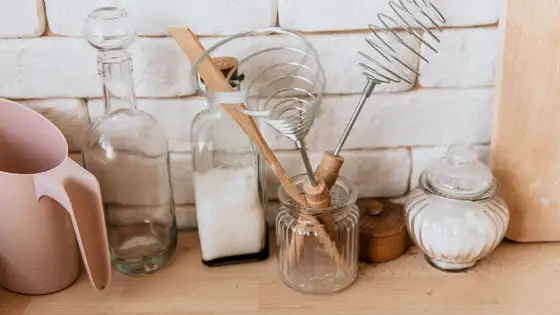
Methods
What vinegar, baking soda, hydrogen peroxide and enzyme cleaners actually do, and what they ruin.
Safety before you scrub
Test every cleaner on a hidden spot, keep a window open, and never combine products. Chlorine bleach with ammonia or with acids such as vinegar releases toxic gases. The combinations to never mix, and what to do after exposure.